
Friday, December 8, 2023
Cars: Standing the Test of Time

Thursday, December 7, 2023
Moonlight: Finding One's Inner Self
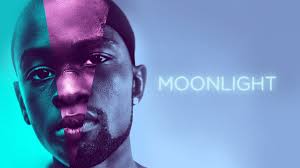
However, the best part of this film is the acting and performances. Every single important character in this film plays a big role in the film, whether that be a friend of Chiron, his caretakers, or his "enemies". And in all the situations they are in, they do a great job of making them feel real, and have real, genuine reactions to what is happening around them. This is especially highlighted with all the actors that play Chiron, they all do a fantastic job of being real in the situations they are in, without forcing anything. Moonlight (2016) is a film that puts a spotlight on what urban communities are like in the real world, and is a great example of how to do character development through a journey of life.
Monday, November 20, 2023
Star Wars: The Empire Strikes Back: How to do a Movie Sequel

This weeks blog post will be focused on the movie Star Wars: The Empire Strikes Back (1980), the sequel to the classic Star Wars: A New Hope (1977). Star Wars: The Empire Strikes Back is a Sci-Fi/Adventure film that was released in 1980 and is directed by Irvin Kershner. Coming off the first film, this film had very high expectations to live up to the first film's success. But how does the sequel capitalize off the first film's success? By taking the elements of what made the first film good, and improve upon them. And one of those elements is the characterization. In the first film, the characterization was one of the strong points as every character had their own unique quirks and personalities. In this film, many of those characters from the previous film return, and new characters are also added into the mix and further improve that characterization. Speaking of that, the addition of Yoda in this movie adds a lot of fun and depth into the Star Wars universe. In the middle of the movie, Luke Skywalker goes to this planet called Dagobah to receive Jedi training from a Jedi Master called Yoda. And with Yoda's character, the audience can tell he is very wise and that he's been around for a long time after he stops joking around, even though Luke may not recognize this at first. His character also makes the Jedi and the concept of the Force very mysterious, and yet intriguing and cool. The character interactions are another strong point of the film, especially the interactions between Han and Leia, as their love for each other begins to develop in this movie, and the audience can feel how close they've gotten by their last conversation in the film, where a couple iconic lines are dropped.
The score and cinematography are fantastic as well. John Williams in this film, like the last film, delivers a film score that makes the audience feel like they are on a gigantic space adventure. This film also has some of the most iconic themes in a movie ever, like The Asteroid Field and Darth Vader's theme, The Imperial March. The cinematography is very pretty in this film, and the film still looks very good today. Every planet that the audience goes to has it's own good look and mysterious aura that makes the audience want to find out more about the world in these films. The action in this film is also improved from the first film, especially the lightsaber battle at the end of the film, which is much more improved from the lightsaber battle in the previous film. And the plot twist at the end of the film is still one of the most shocking plot twists in cinema history. Star Wars: The Empire Strikes Back (1980) not only improves off of its predecessor, but it also keeps the audience on their toes from start to finish, and it establishes itself as a classic film in film-making history.
Friday, November 17, 2023
Jaws: A Thrilling First Blockbuster

This weeks blog post I will be sharing my thoughts on the movie Jaws (1975). Widely considered to be the first blockbuster, Jaws (1975) is an adventure/thriller film that was released in 1975 and is directed by Steven Spielberg. Going into the movie, I had high expectations considering that it is the first blockbuster film, making it the first of a long line of movies that is still going today, and it did not disappoint. One of the strongest parts of this movie is when there is tension/suspense in a scene or when a scene is building tension/suspense. From the first scene of the shark taking its first victim, the audience is already on the edge of their seats, intimidated by the beast. Spielberg was also smart not to show the shark too much in the movie either, as it would have devalued the scariness of the shark, as well as not make him as mysterious. Furthermore, the score in the film is also fantastic, and it further elevates the suspense in the film. John Williams, the music composer of this film, elevates every scene that features his score whenever music is used. Without John Williams' score in the film, this is a completely different movie.
The characters in this film are another strong suit. There are three central characters in this film, but they all get their chance to shine in the 2nd half of this film. They all complement each other very well with their differing personalities, which helps them work together as a team. Robert Shaw's character is more of the brave, tough-nosed guy that takes nothing from anybody, Richard Dreyfuss' character is the more of the smart, expert character that knows a lot about sharks and the water, and Roy Scheider's character is more of a leader and negotiator character that brings everybody together, and wants everyone to be safe. This all culminates for a great 2nd half of a film with iconic scenes, iconic lines, and great character moments. The only downside of this film is that the pacing of the 1st half of the film can drag a bit after the first scene, but it also makes the climax of the film that much more satisfying. Jaws lives up to its title as the first blockbuster and is a true classic in the art of film.
Thursday, November 9, 2023
Swiss Army Man: A Crude but Sweet Journey

For this week's blog post, I will be giving my thoughts on the film Swiss Army Man (2016). Swiss Army Man is a Drama/Comedy film that was released in 2016 and is directed by Daniel Kwan and Daniel Scheinert. This is one of those films where when you're watching it, you have to accept what is happening on the screen, because if you don't it won't be as good of a watching experience. An example of this is a good amount of the comedy bits in the movie. There's a scene in the movie where Hank, Paul Dano's character, rides Manny, Daniel Radcliffe's character, like a jet ski on the water, and the "jet ski" is powered by Manny's farts. Not realistic, but you also have to accept from this scene that the movie won't be super realistic.
The comedy in this movie is mostly crude, and is also inconsistent throughout the film. In particular, there are a few scenes where Manny and Hank are talking/joking about sex/simulating a conversation between a guy and a girl. There are words said by Manny that are inappropriate relating to sex that did get a few laughs out of me, but that crude humor also isn't every viewer's type of humor, and it could go by some viewers as unfunny or "cringe". However, when the comedy lands, it sticks the landing very well. But when it doesn't, the comedy crashes and burns. But, the big thing that this film does well is the journey of Hank's character throughout the film. At the start of the film, the audience can see that Hank is not in a very good state mentally, as he tries to hang himself right when the film starts. However, when he sees Manny wash up on the island, he stops doing that as he sees life other than himself. The character of Manny in this film can be interpreted in different ways. I see Manny's character as a pathway to get Hank back into a good state mentally, and enjoy his life again. This is conveyed all through the film, with the many interactions and conversations between Hank and Manny about life, and Hank teaching Manny life essentials, like how to speak to people, what people do in their lives, and what certain things are, like food or buses. The ending of the film not only is a good conclusion for the mental state of Hank, but it also leaves it to the audience's interpretation to if the Manny character is real. What he an actual moving corpse, or was he a figment of Hank's imagination? The film overall has some inconsistent comedy, but it follows a coherent and sweet journey that leaves a satisfying feeling for the audience at the end of the journey.
Tuesday, October 31, 2023
The Shining: Revolutionizing the Horror/Thriller Genre

This week's blog post will be analyzing the movie The Shining (1980). The Shining (1980) is a drama/horror film that was released in 1980 and is directed by Stanley Kubrick. This is somewhat based on Stephen King's original novel of The Shining, but the movie takes a different approach to the story, and this was a great decision. From start to finish, the movie had me on my toes and engaged, trying to anticipate what is going to happen. And then when you get to the end of the film, it leaves you with a sense of wonder and gives you an unsettling feeling, like you didn't know what you just watched. The ending leaves it up to the audience to interpret what the film means, and what its ending means.
Now, there are many things in this film that elevate the film to a high level. The acting in this film is just one of these excellent pieces. Jack Nicholson's performance in the lead role is outstanding, and as his character is slowly deteriorating mentally due to the haunted presence in the hotel, you can believe that he is truly losing his mind, because with how Kubrick has written and directed the film, he keeps what is happening in the movie realistic, and without going over the top in key scenes and character interactions. Danny Lloyd's performance as the child of the Torrance family is surprisingly great, and is impressive for child acting. In the film, Lloyd's character has a psychic ability that he can use to communicate with people, and this is displayed in a way where, once again, the audience can believe this is happening because it is realistic to what psychic communication could look like. The tone in this film, for a horror/thriller, is not only very good, but also consistent. Throughout the whole film, it makes the audience feel on edge and uneasy, especially in key scenes in the movie where Kubrick wants the audience to have this feeling of uneasiness. Speaking of key scenes, there are a lot of excellent scenes in this film. There's the obvious "Here's Johnny" scene that is terrifying, but also a little funny at the same time. There are also many scenes of Nicholson's character interacting with the spirits that are present in the hotel, and these scenes also show his slow spiral into madness. All in all, this film encapsulates what a horror/thriller film should be, keeping the audience on edge and at the edge of their seats the whole way through, and this film has inspired many other horror films to come about and innovate off of what The Shining (1980) was doing right.
Sunday, October 22, 2023
Pulp Fiction: Molding a Movie through Dialogue

The characters and acting by the actors in the film is another bright spot in this film. Every character of importance in this movie seems to get their chance to shine, whether it be through certain scenarios in the film, or through dialogue or character interactions. There are also a lot of A-list actors like Samuel L. Jackson, John Travolta, Uma Thurman, Bruce Willis, etc, and they all do a great job with characterizing their characters in this film through their acting. And like stated before, this is especially apparent through the dialogue usage in the film, whether it just be a normal conversation between characters, or if the actors are putting some emotion into their dialogue. The music choices in the film are also very good, and the music is timed very well in a lot of the scenes where music is used. A good example of this is when there are action scenes, the music starts when the action starts, and ends where the action seems to end for the most part. The film, overall, was an enjoyable film, but this film is also not for everyone. If you're someone who likes a lot of action in a film, or doesn't like heavy dialogue, then this film probably isn't for you. However, I would still recommend it to anyone who would be interested in it or is on the fence of wanting to watch it.
Friday, October 13, 2023
Lighting in Films: Shaping a Scene
This week's blog post will be about lighting and how it affects scenes in films. Lighting in a scene can affect many elements of scene and it can change how an audience views a scene. For example, lighting can dictate the mood or tone in a scene. Take the opening scene of The Batman as an example. While who we presume to be Batman is monologuing, the lighting of the scene is darker, and people, things and places are only seen through street lights or lights in stores. The lighting in this scene points to a darker toned movie, like how most other Batman movies are. The scene also changes how the audience views the Batman himself. The lighting is intentionally making the audience view Batman as a scary, intimidating character, but also a protector of the city. The design of a scene is also affected by the lighting of the scene. Specifically, it can focus on certain elements of the set of a scene, like props or characters. A good example of this is the team up scene in The Avengers. Here, the lighting is solely focused on the group of heroes as they get a team up shot before working together to defeat the villains. With the use of lighting in this scene, it creates a sense of unity and wholeness for the audience, and gives the audience the confidence that the heroes will win in the end. Lighting can affect many parts of a scene in a film, and is a key element to making good scenes and bad scenes, as well as good films and bad films.

Tuesday, October 10, 2023
Get Out Review: A Different Type of Horror
This week's post I will discuss my thoughts on the movie Get Out. Get Out is a film of the horror genre that was released in 2017 and directed by Jordan Peele. Now, the horror films that have come out the past few years, for the most part, I feel have been too "cliche", they all feel like the same film but with different characters. Get Out, however, does not have that issue, and in fact it feels like a standout film in the horror genre. Jordan Peele crafts a very unique story that's kind of like a mystery. Throughout the whole film, the audience is trying to piece together what the Armitage family is doing with the black servants helping them in their house, as well as the creepy and weird things happening at their house in the film.
Another thing that the film does well is foreshadowing. Some of the foreshadowing is very subtle, while at other times its clear that the film is foreshadowing something big. An example of the foreshadowing being subtle is at the beginning of the film. The main character, Chris Washington, and his girlfriend Rose, pulled over and called the police after hitting a deer. The policemen wants to see Chris' ID, but Rose doesn't want him to see his ID. This seems like a little thing at first, but why would she not want the policeman to know who Chris is? Is her family doing something suspicious that would involve Chris? The movie also tackles the topic of racism as well. It sheds light on how black people are treated in the real world today by white people, with actions in the film, as well as through satire. The only real bad point of the film is that the comedy used is inconsistent. There are some jokes and comedy bits that are pretty funny, and at other times the comedy can be a bit much. In short, I enjoyed the film, and it is a standout entry in the horror genre and blends many elements and movie themes very well to make one great movie.

Sunday, October 1, 2023
Star Wars: A New Hope Review: Reimagining the Sci-Fi Genre

Another element of the film that is done very well is the action. As the film progresses from the opening scene to Tatooine to the Death Star, the film becomes more and more exciting as the action in the film becomes more thrilling. The CGI in the film is very good for its time, granted that it seems outdated compared to today's standards, but it works for this film. The dog fighting in space at the end of the film not only has great action and makes for a good final battle, but it was also not done in any film prior to its release, making this film more unique. The music in this film, composed by John Williams, is also phenomenal as well. It makes you feel as if you yourself are on a big space adventure while watching the film.
There are, however, a couple of flaws in this film. This film has pacing issues, especially at the beginning of the film after the opening scene. However, once the movie gets to its 2nd half, the pacing starts to pick back up as it heads into the 3rd Act. The technology used in this film also looks dated, especially when visual effects are used in scenes where people are getting shot, or there are arms being cut off. But all in all, this film still holds up today, and the combination of storytelling, music, action and characterization make this film a classic, and aided future Sci-Fi films to be successful in theaters.
Sunday, September 24, 2023
Movies in the Theater vs. at Home: A Comparison

However, there are a couple upsides for watching movies at home that would make it more convenient than going to the theatre. For one, you wouldn't have to leave the comfort of your own home, you can just turn on the streaming service you want to watch the movie on (Netflix, Hulu, etc.) and watch it from your chair or couch. You would have to pay for the streaming service, yes, but its still more convenient than having to drive to the nearest movie theater to go watch something. Moreover, it would be less expensive to watch a movie from home as well. You would have to pay for tickets, then on top of that if you wanted theatre food you would have to pay for that as well. You would already have snacks at home to eat while watching the movie, and you wouldn't have to pay for them. While there are both positives and negatives to both watching experiences, what way someone chooses to watch a movie is up to their own personal preference.
Sunday, September 17, 2023
Rear Window Summary and Review

The film Rear Window
starts out by overviewing a neighborhood and seeing what people living in the
neighborhood are doing. The camera
eventually gets to LB Jefferies, the main character of the film, sitting in a
wheelchair with a cast around his left leg.
He later explains while talking to a friend on the phone that he broke
his leg taking pictures of a race car, when he himself was struck by a car,
which caused him to break his leg. Since
Jefferies has been confined to his room since he broke his leg, he has spent most
of his time watching what his neighbors have been doing, and that’s most of the
scenes in this movie. The movie is also
shown from Jefferies’ perspective, either in scenes where he is shown talking
to Lisa, his girlfriend, or Stella, his other friend, in his room, or from his
own viewpoint when he is watching the neighbors from his window.
Around
the middle of the film, he starts observing Lars Thorwald more closely, as he
becomes suspicious of him because of the most recent activities that Jefferies
has seen him doing. He was told that
Lars’ wife had been put on a train to a different town by Lars himself from his
friend Thomas Doyle, a lieutenant, but Jefferies thinks otherwise. He later is convinced that Lars murdered his
wife because she was no longer in her bed, and Lars had taken off the sheets
and had begun going through her personal belongings. He also convinces Lisa of this after she sees
Lars with his wife’s purse and jewelry, and from her viewpoint, she doesn’t
think that a woman would leave her purse and jewelry behind if she had moved
away. Jefferies ask Doyle to investigate
the situation, but he doesn’t find anything that would point to a murder, and
he concludes that Lars is clean. This
makes Jefferies question if watching the neighbors from the window is ethical,
and Lisa convinces him that he should be glad that Lars’ wife wasn’t murdered.
However,
Lisa and Jefferies see that one of the neighbors’ dogs had been killed, and
they believe it was because the dog dug into Lars’ garden because there was
something there, which could be evidence of a murder. Lisa and Stella go into Lars’ garden when
Lars isn’t there while Jefferies observes the situation. They find nothing in the garden, so Lisa
breaks into Lars’ apartment to get some evidence of the murder but is caught by
Lars when he gets back into the apartment.
Jefferies calls the police to bail her out, but she gets arrested for
breaking into the apartment, but she does retrieve the wife’s wedding
ring. Jefferies calls Doyle about the
situation and Doyle bails Lisa out, but then Lars then sees Jefferies watching
him from the window, and he eventually gets into Jefferies apartment. Lars attempts to kill Jefferies, but the
police get there, and Jefferies survives.
The movie ends with Jefferies still in the wheelchair but with two
broken legs, and everyone in the neighborhood having a good time.
There
are a lot of things that this movie does well.
For one, the decision to tell the story from Jefferies’ perspective was
a very good move, as it makes sure the audience doesn’t know too much about the
plot, only was Jefferies knows. This
also allows the plot to develop more slowly, which works for the type of film
that this is. The film also portrays
social norms of the 50s well. Lisa is a
great example of this, as they portray women of the 50s as very good looking,
and attention needing, through Lisa’s character and scenes that she is in. There were also some flaws in the film. I felt that the first half of the film dragged
on for a while because there wasn’t much happening up until Jefferies starts
investigating the murder. There was also
a scene at the end of the film where it sped up and the scene looked a little
goofy. Otherwise, I did enjoy the film,
and that it was a very good film for its time, though I don’t believe it would
hold up well in modern filmmaking.
Sunday, September 10, 2023
Famous Shots: Elevating a Film

This weeks blog post will talk about famous shots in movies that make the film better or stick out in a film. One example I can think of is from a movie I recently rewatched. This shot is from Star Wars: Rogue One, which premiered in 2016 and was directed by Gareth Edwards. The shot is at the end of the film, when Darth Vader is in a dark hallway of a Rebel ship, and his lightsaber is ignited. This shot is very well executed and choreographed, as the lighting of Vader's lightsaber with the darkness of the hallway is used perfectly. The shot also evokes a feeling of fear and terror because of what actions Vader will take shortly after this shot, giving off a "moments before disaster" feel. I wouldn't really change the rendering of the shot, but I would make Vader a little less visible to further elevate what the shot is trying to do.
Another iconic shot that sticks with me is the team-up shot in The Avengers. This 2012 film directed by Joss Whedon, I believe, was the first film to get a superhero team-up movie right. This shot further elevates that, as it has all our heroes in one circle together, looking like a great team. The shot resonates a sense of might, and increases the audience's confidence that the heroes are going to win the battle. However, if I were to shoot it, I would make all the heroes as equally visible as possible, even if there are size differences. Hawkeye in the shot is not as visible as all the other heroes, which could make the audience feel he is not as important as all the other Avengers, even though he plays a key role in the film.
Monday, September 4, 2023
Dr. Caligari Film Summary/Questions

1. The story is about a man named Dr. Caligari and his assistant Cesare coming into town and having a presentation of sorts at the local fair. Soon after, murders begin to occur in the town. The story is told by a man named Francis, who tries to figure out the reason behind all the murders.
2. The story is told through Francis' perspective as he narrates the entire thing, as the camera focuses on him whenever he's on screen. The story is told mostly in the past, with it going back to the present occasionally.
3. The film uses a lot of darker lighting, as well as keeping the information the audience gets about the plot to a minimum, in order to give the film a more scary tone, and to build suspense as the film progresses. This gives the film a more horror film vibe.
4. The final plot twist is that Francis ends up being a patient at an insane asylum. From how I interpret it, it seems that he was the insane one the whole time, and the film made it sound like the story he told was some type of insanity condition of some sort.
5. The twist shows how films can skew an audience's perspective of a film based on one character's point of view of the story, and then be told at the end that that character's perspective was skewed. The twist leaves the audience's interpretation of the film up to them, as it seems like they were told the same story from two different views.
6. The sets used in this film looked like the sets of a play. It showed that filmmakers didn't have much to work with when it came to set design or set spacing, as a lot of the shots in the film looked pretty narrow, and the special effects were nothing to write home about either.
7. The set designs imply that this film was meant to be a little more scary, a little more eerie, and that the film was to have a darker tone. The sets also look pretty good for their time.
8. For it's time, the film itself is pretty solid, and it was interesting to see the set design of a 1920 film and how much different set designs are in movies over 100 years later. It also paved the way for other, more modern horror films to be made.
9. Caligari gives me a similar vibe to the movie American Psycho (2000), not necessarily from a plot perspective, but from a more psychological perspective, dealing with the idea of insanity, and how much it can change the perspective of certain events based on if the audience believed if it happened or not.
10. It makes you question if these events happened or not, or if certain events happened in the story and others didn't. By leaving the film up to the audience's interpretation, it can really change the viewpoints on the story of the film, and/or the film itself.
Saturday, August 26, 2023
Intro Post
This post will be focused mainly on some of my favorite films and why I'm taking the class. One of my personal favorite movies of all time is Terminator 2. I had watched the first Terminator prior to watching Terminator 2 and liked it a lot. It also made me wonder going into the film, how can they make the sequel better than the first and strong entry of The Terminator? I found my answer as I got to within the middle of the film, as the story of the sequel compared to the original is more layered, along with the superb action from the first film being in this one. There are more characters in Terminator 2 as well, and they are also more important and central characters to the plot as well, and they all work together so well. One of the best sequel films ever in my opinion.
Another film I enjoyed a lot is American Psycho. This was mainly because of the psychological aspect that this movie brings, with the main character slowly losing his mind as the film goes on. The best part about this film, though, was its ending because it left it up to the viewers to interpret the ending, and what happens in the film itself. I took this class because I enjoy watching movies and TV shows, and I want to learn the evolution of filmmaking, as well as watch certain genres of films that I don't usually watch and see how I like them. I don't have any career aspirations in the field of film and media, though I do plan on watching more film and media this year and beyond.

Subscribe to:
Posts (Atom)
Cars: Standing the Test of Time
This blog post will be analyzing the movie Cars (2006) . Cars (2006) is a comedy/animation movie that was released by Disney in 2006 and ...
-
This week's blog post will cover the topic of watching movies in the theatre vs watching movies at home. There are both ups and downs ...
-
 The film Rear Window starts out by overviewing a neighborhood and seeing what people living in the neighborhood are doing. The camera e...
 -
For this week's blog post, I will be giving my thoughts on the film Swiss Army Man (2016). Swiss Army Man is a Drama/Come...

